Why sweaters pill, and how to actually fix it
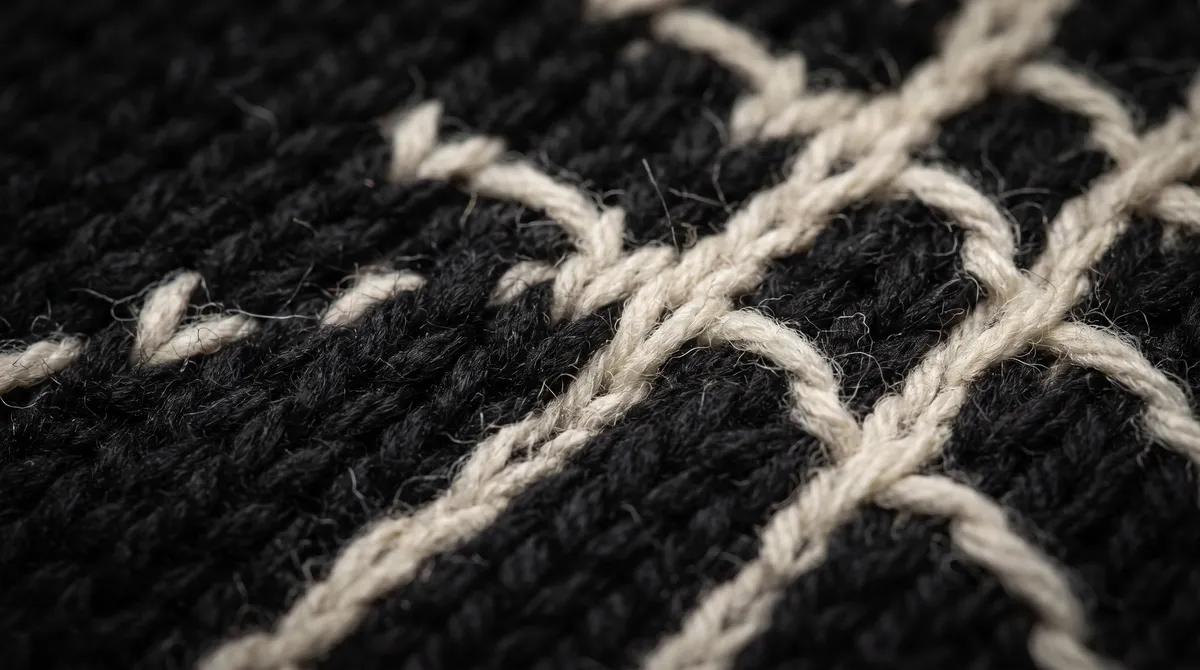
A pill is a small ball of tangled fibre standing on the surface of a fabric. It forms where short fibre ends work their way out of the yarn, get rubbed together, and roll up. It is a mechanical process, not a defect, and it happens to expensive knitwear as readily as to cheap knitwear. Some of the most pill-prone garments ever made are pure cashmere.
Where they appear, and why exactly there
Look at any sweater that has been worn a season and the pills are in the same places: under the arms, along the sides where a bag strap sits, on the forearms, and across the back if you wear a rucksack. Those are the friction zones. Nothing else on the garment is being rubbed against anything for hours at a time.
This is the strongest evidence that pilling is not about quality. If it were the wool failing, it would happen evenly. It happens exactly where two surfaces move against each other, and nowhere else.
Why it happens most in the first weeks
Any spun yarn contains fibres of varying length. The short ones are held in the twist only loosely, and in the first weeks of wear they migrate out to the surface. Once they are out, they pill. When they have all gone, the yarn that remains is made of the longer fibres that are properly locked in, and the garment settles down.
So a new sweater pilling is a phase, not a verdict. What matters is whether it is still doing it heavily after a couple of months. That points at either a very short-staple yarn or a very loose twist.
How to remove them without wrecking the knit
A fabric comb is the safest tool. Lay the garment flat, hold the fabric taut with one hand and comb in one direction only. It lifts the pills off and leaves the fabric alone.
A battery fabric shaver is faster and fine on a heavyweight knit, as long as you keep it flat and never press. Pressing pulls the fabric up into the blade and that is how a small hole gets made.
A pumice stone or a sweater stone works, cheaply, on dense knits. Light strokes.
Not scissors. Snipping a pill cuts the fibre it is anchored to, and on a knit a cut fibre is the beginning of a ladder.
Do it in one session rather than picking at them by hand over weeks. Pulling a pill off with your fingers takes the fibre it is attached to with it, and that fibre was doing a job.
How to make it happen less
Turn the garment inside out to wash it, so the friction of the cycle happens against the inside. Use a laundry net for the same reason. Skip fabric softener, which lubricates fibres and helps them slide out of the twist. Give a heavy sweater a rest day between wears so the fibres can recover their loft.
And look at what you rub against it. A rough canvas bag strap on the same shoulder every day will pill any knit that has ever been made. This is usually the whole explanation.
What we do about it
Our pieces come in 100% acrylic or in 80% wool and 20% polyamide. Both can pill a little where the arms rub the body in the first weeks, and a fabric comb takes the pills off in a minute. Neither is immune, because nothing is.
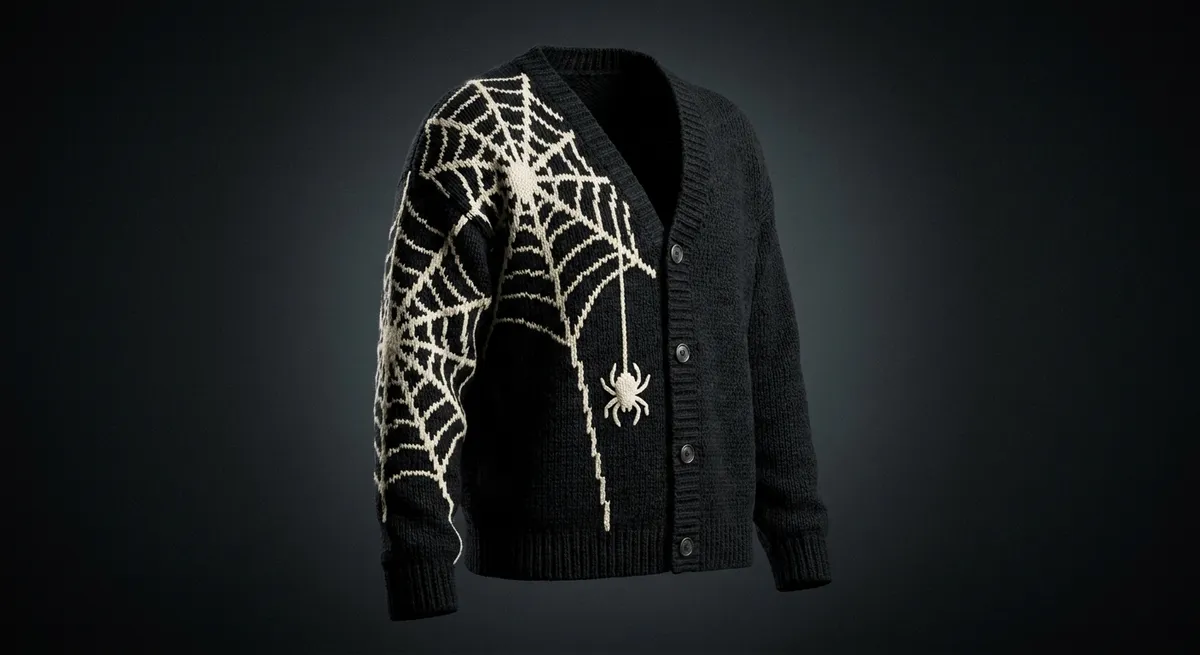
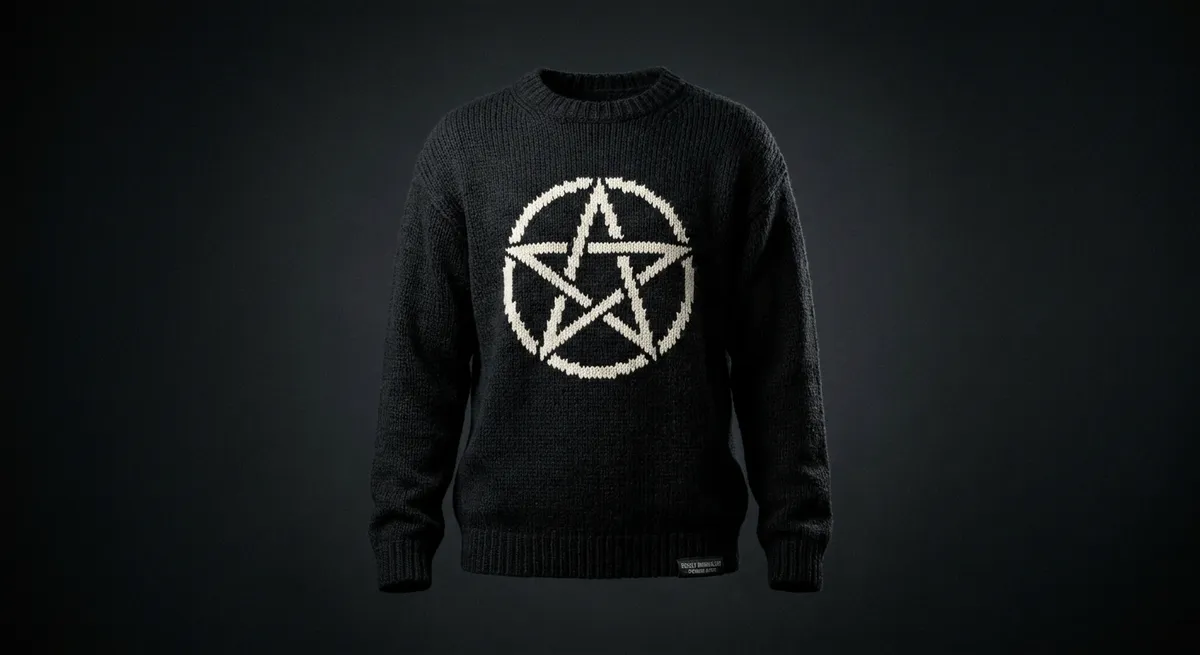
Expect a light pass with a comb after the first month, and then very little. A knit that has been de-pilled once and treated sensibly looks new for years, which is a strange thing to have to say about a garment covered in skeletons.
The pieces in this story

More from the Journal
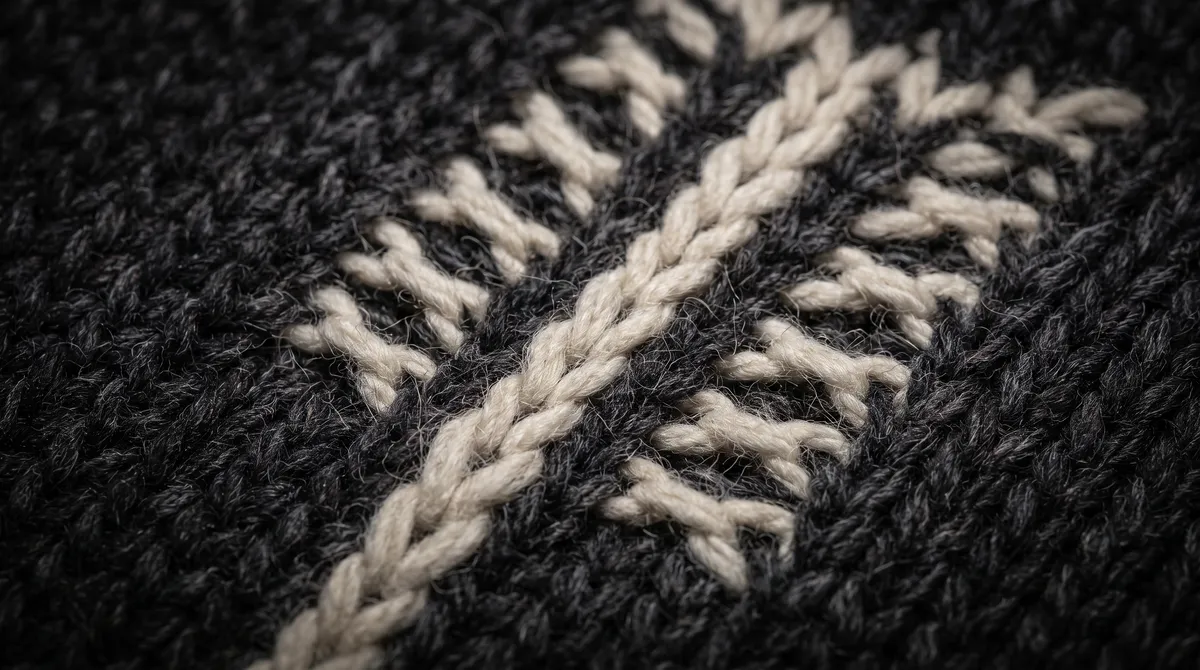
How to wash a wool sweater without ruining it
Cold water, no agitation, dry flat. The three rules that keep a heavyweight knit alive, and the one mistake that kills it in a single cycle.
What is jacquard knit, and why it beats a print
In a jacquard sweater the pattern is not on the fabric, it is the fabric. Here is how it is made and how to spot one in three seconds.
Intarsia, jacquard and fair isle: what the difference really is
Three words used as if they meant the same thing. They describe three different answers to one question: what happens to the yarn you are not using.
Knitted, never printed
Every motif is jacquard worked into the fabric on flat-bed machines. Nothing to crack, nothing to peel.
Made to order in Italy
Your piece does not exist until you order it: collection pieces are knitted, hand-finished and steamed in 2 to 3 weeks, commissions in 2 to 4.
Free worldwide shipping
Tracked and free everywhere. Collection pieces come with free size exchanges and 14-day returns.